
It comes from the tea plant Camellia sinensis, with its earliest powdered-tea roots in China. Its tradition known today developed in Japan after tea was brought there from China. Japan became especially associated with it through regions such as Uji in Kyoto and Nishio in Aichi.
Introduction
If you ask where is it from, the short answer is China originally, but Japan is the country most closely associated with traditional its today.
Tea itself reached Japan from China centuries ago. Over time, Japanese tea growers and tea masters developed distinctive cultivation and processing methods, including the production of finely powdered tea used in the Japanese tea ceremony. Today, it is strongly linked with Japan, particularly areas such as Uji in Kyoto Prefecture.
Quick Facts About Matcha
| Fact | Information |
|---|---|
| What is it? | Finely powdered green tea |
| Tea plant | Camellia sinensis |
| Earliest roots | China |
| Modern cultural association | Japan |
| Traditional Japanese center | Uji, Kyoto |
| Major Japanese production area | Shizuoka and other tea-growing regions |
| Famous matcha region | Uji, Kyoto |
| Another major matcha area | Nishio, Aichi |
| Tea used for matcha | Tencha |
| Main processing method | Shading, steaming, drying, and grinding |
| Traditional use | Japanese tea ceremony |
Where Did Matcha Originally Come From?

It has roots in China, where tea drinking and powdered forms of tea existed before the Japanese matcha tradition developed.
Japanese monks and other travelers brought tea knowledge and tea plants from China to Japan. According to Japan’s Ministry of Agriculture, Forestry and Fisheries, tea was introduced to Japan from China, while powdered tea became popular in Japan by the 12th century.
So there are two useful ways to understand matcha’s origin:
- China: the deeper origin of tea and early powdered-tea traditions.
- Japan: the country where the distinctive matcha tradition was developed and preserved.
That distinction explains why it is both historically connected to China and strongly identified with Japan today.
Is Matcha From Japan?
Yes, in the modern cultural sense, it is closely associated with Japan.
Japan developed it into an important part of its tea culture. The powdered green tea became closely connected with Buddhist practice and later with the Japanese tea ceremony. The Japan National Tourism Organization describes it as powdered green tea used in the traditional Japanese tea ceremony.
Japan is now one of the world’s best-known sources of it , and Japanese matcha is produced in several tea-growing regions.
Where Is Grown in Japan?
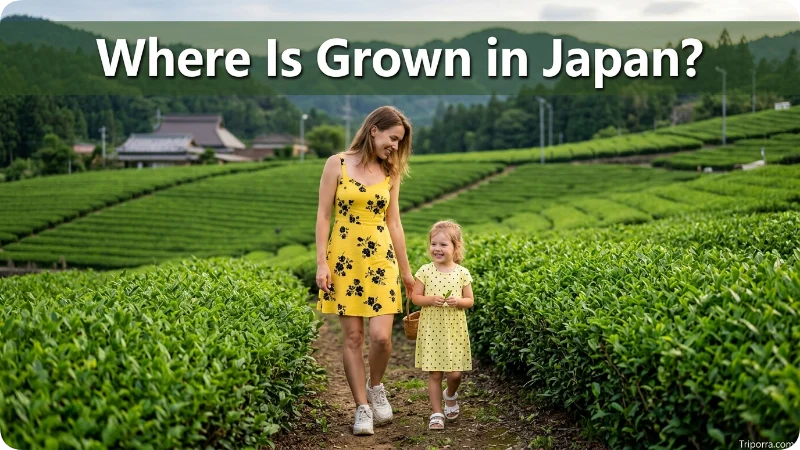
It is not grown in only one Japanese location. Several regions produce tea that is processed into it .
Some of the best-known areas include:
- Kyoto Prefecture
- Aichi Prefecture
- Shizuoka Prefecture
- Kagoshima Prefecture
- Nara Prefecture
- Mie Prefecture
The exact source can vary by producer and product. Therefore, saying that all Japanese it comes from Kyoto would be incorrect.
Where Is Uji Matcha From?
Uji matcha comes from the Uji area of Kyoto Prefecture, Japan.
Uji is one of Japan’s most famous tea-producing areas and has a particularly strong connection with high-quality green tea and matcha. The surrounding Yamashiro area in southern Kyoto is also an important tea-growing region.
The Japanese government notes that Uji tea is associated with tea produced in parts of Kyoto, Nara, Shiga, and Mie and finished by Kyoto-based producers using methods associated with the Uji region.
This means Uji matcha is a regional Japanese product, rather than simply another name for every matcha made in Japan.
Why Is Uji Famous for Matcha?

Uji’s reputation comes from a long tea-growing tradition and favorable growing conditions.
The area around Uji has:
- Tea-growing hills
- Rich, well-drained soils
- Plenty of rainfall
- Rivers including the Uji and Kizu
- Temperature differences between day and night
These conditions have helped make the region an important center for Japanese tea.
Uji also became important because Japanese tea culture developed there over many centuries.
What Part of the Tea Plant Becomes Matcha?
It is made from specially processed tea leaves known as tencha.
Before harvest, the tea plants are shaded. After harvesting, the leaves are processed into tencha. The dried material is then ground into an extremely fine powder.
Japan’s tourism authorities describe it production as grinding dried tencha into fine powder.
This process is one reason it differs from ordinary loose-leaf green tea.
How Is Matcha Different From Green Tea?
It and regular green tea come from the same tea plant, but they are processed and consumed differently.
With ordinary green tea such as sencha, the leaves are brewed in water and then removed.
With it , the processed tea leaves are ground into powder and whisked into water. You consume the powdered tea itself.
Its production also commonly involves shading the plants before harvest. This helps create the characteristic deep green color and flavor associated with it .
Where Is Matcha on a Map?

If you picture Japan on a map, many important it is producing areas are located on Honshu, Japan’s largest island.
Some important reference points include:
- Kyoto: home to the famous Uji tea area.
- Aichi: home to Nishio, another major -producing region.
- Shizuoka: Japan’s largest tea-producing prefecture overall.
- Nara: another historic tea-growing area.
- Kagoshima: an important tea-producing region in southern Japan.
Shizuoka is especially important for Japanese tea overall. Japan’s tourism authority identifies it as the country’s largest tea-producing prefecture, accounting for more than 40% of Japan’s total tea output in the cited source.
That does not mean all Japanese matcha comes from Shizuoka. Matcha production is spread across several regions.
Is Nishio Matcha From Japan?
Yes. Nishio is a well-known -producing area in Aichi Prefecture, Japan.
Nishio has developed a strong reputation for its production. Tea plants there may be covered with black netting before harvest. This shading technique helps produce leaves with lower astringency and stronger umami characteristics suited to its production.
So when you see it , you are looking at a regional Japanese matcha associated with Aichi Prefecture.
Why Is Japanese Matcha So Green?
The bright green color of it is partly related to how the tea plants are cultivated before harvest.
For high-quality , tea plants are shaded for a period before harvesting. Reduced sunlight changes the plant’s chemistry and helps produce leaves with a strong green color and characteristic flavor.
Japan’s Ministry of Agriculture explains that shading helps reduce the conversion of the amino acid theanine into catechins, contributing to a tea with more umami and less bitterness.
After harvesting and processing, the tencha is ground into the fine green powder recognized as it .
Did Matcha Come From China or Japan?
The most accurate answer is both, depending on what you mean by “come from.”
Tea and early powdered-tea traditions have Chinese roots. Tea was brought from China to Japan, where it became part of Japanese religious and cultural life.
The matcha tradition that people recognize today is distinctly Japanese. Japan developed its own methods for growing, processing, preparing, and serving powdered green tea.
Therefore, it is misleading to say simply that it was invented entirely in one modern country without explaining this history.
What Is Matcha Near?
Unlike a city or physical landmark, it does not have one geographic location.
Instead, it is a tea product associated with tea-growing regions. In Japan, some of its strongest geographic associations are with:
- Uji and southern Kyoto
- Nishio in Aichi
- Shizuoka
- Nara
- Kagoshima
- Other Japanese tea-growing areas
This is why a package labeled “Japanese matcha” may come from a region other than Kyoto.
Where Is Matcha Made Today?
Today, it is produced in Japan and in other countries where tea is grown and processed.it
However, Japan remains the country most strongly associated with traditional matcha culture and production.
Within Japan, production is distributed among several tea-growing regions rather than concentrated in a single city. Uji and Nishio are particularly recognizable names for it , while Shizuoka is a major tea-producing region overall.
How Do You Identify Where Matcha Comes From?

If you want to know where a particular package of matcha comes from, check the label for information such as:
- Country of origin
- Prefecture
- Growing region
- Producer
- Tea cultivar
- Production or processing location
Terms such as Uji, Nishio, or Shizuoka can provide clues about the tea’s geographic origin, but the exact meaning depends on the product’s labeling and sourcing.
A product marketed as “Uji matcha,” for example, should not automatically be assumed to mean that every leaf was grown within Uji city itself. Regional tea definitions and processing practices can cover broader areas.
FAQs
Where is matcha from originally?
It has roots in China, where tea and early powdered-tea traditions developed. The Japanese its tradition developed after tea was introduced from China to Japan.
Is matcha Chinese or Japanese?
It has Chinese roots but is strongly associated with Japan today. Japan developed the distinctive cultivation, processing, preparation, and tea-ceremony traditions surrounding it .
Where is Japanese matcha grown?
It is grown in several tea-producing regions, including Kyoto, Aichi, Shizuoka, Nara, and Kagoshima.
Where does Uji matcha come from?
Uji matcha is associated with Uji and the surrounding Yamashiro area of Kyoto Prefecture, Japan. Uji is one of Japan’s most famous tea-producing areas.
Is all matcha from Kyoto?
No. Kyoto is famous for it , but it is also produced in other Japanese regions, including Aichi and Shizuoka.
Where is Nishio matcha from?
Nishio matcha comes from Nishio in Aichi Prefecture, Japan. Nishio is recognized as an important Japanese matcha-producing area.
What country produces the most matcha?
Japan is the country most strongly associated with traditional matcha, but production figures can vary depending on how it is defined and counted. It is better to distinguish matcha production from overall green-tea production.
Is matcha just powdered green tea?
It is a type of powdered green tea, but it is made using a particular process. It generally uses shaded tea leaves processed as tencha and then ground into a fine powder.
Where does matcha grow?
It itself does not “grow.” The tea plants used to make matcha grow in tea-producing regions. In Japan, important areas include Kyoto, Aichi, Shizuoka, Nara, and Kagoshima.
Why is Japan famous for matcha?
Japan developed a distinctive culture around powdered green tea, including the Japanese tea ceremony. Regions such as Uji became renowned for producing high-quality tea, helping make Japanese matcha famous worldwide.
Conclusion
So, where is matcha from? Its deeper tea and powdered-tea roots trace back to China, but its tradition known around the world today is deeply Japanese. Japan’s tea regions—including Uji in Kyoto and Nishio in Aichi—are especially important to its identity and production.
The easiest mental map is: China provided the early tea tradition → tea reached Japan → Japan developed its distinctive matcha culture → several Japanese regions now produce it .

About Leo Sterling
Leo Sterling is a geography and travel writer at Triporra.com who believes understanding a place starts with knowing exactly where it is. He turns geographic details on countries, regions, islands, and cities into clear, engaging content for everyday readers.
For Leo, a good location article does more than mark a spot on a map. It shows what borders a place, which region it belongs to, and how it connects to the world around it—an approach reflected in guides like where is Anguilla, where solid research meets a simple, conversational style.
Whether readers are planning a trip, studying, or just curious, Leo’s goal is the same: deliver accurate, easy-to-understand information without unnecessary complexity.
Areas of Focus: Geography | Countries & Regions | Caribbean Islands | Travel Destinations | Location Research | “Where Is?” Content