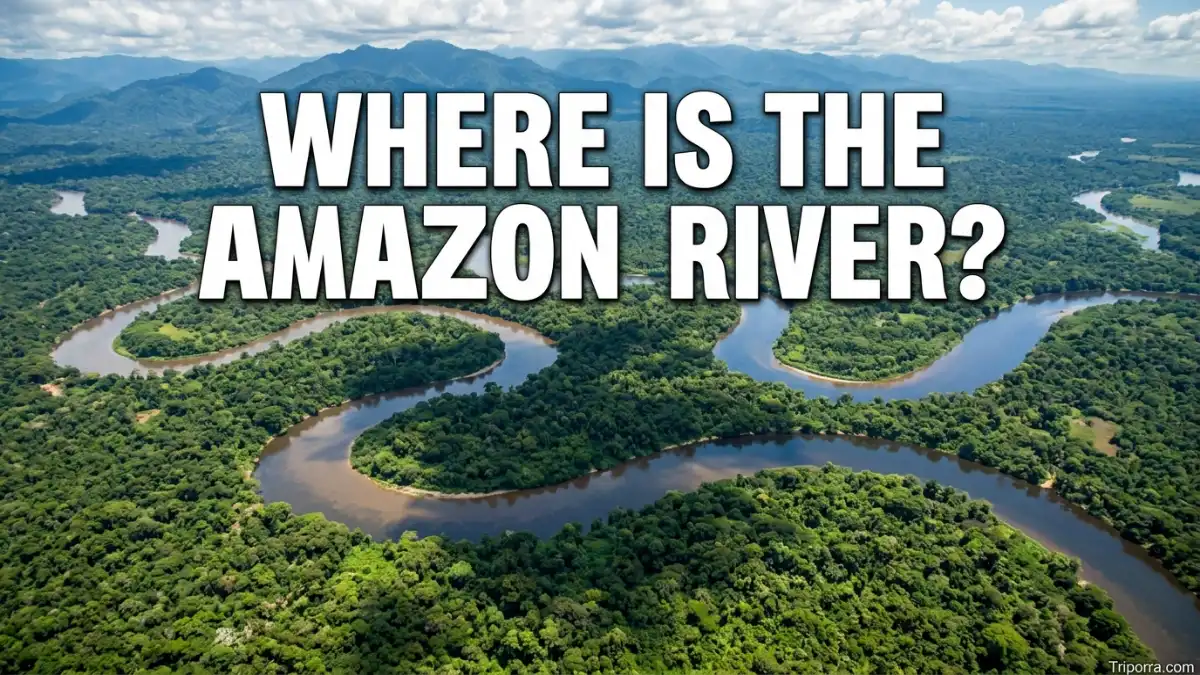
The Amazon River is different from the Amazon Rainforest and the company Amazon. The river flows through several countries in South America, while the rainforest covers a much larger area around it.
The Amazon River is the largest river in the world by the amount of water it carries. It is also one of the longest rivers on Earth. The river plays an important role in South America’s wildlife, climate, forests, and the lives of millions of people.
Featured Snippet
The Amazon River is located in South America. It starts in the Andes Mountains of Peru, flows through Peru, Colombia, and Brazil, and empties into the Atlantic Ocean on Brazil’s northern coast. It is famous for carrying more freshwater than any other river in the world and for flowing through the Amazon Rainforest.
Quick Facts
| Fact | Information |
|---|---|
| Official Name | Amazon River |
| Countries | Peru, Colombia, Brazil |
| Region | Northern South America |
| Length | Approximately 6,400 km (3,980 miles) |
| Basin Area | Approximately 7 million km² (2.7 million sq mi) |
| Source | Andes Mountains, Peru |
| Source Elevation | Approximately 5,000 metres (16,400 feet) above sea level |
| Mouth | Atlantic Ocean, Brazil |
| Mouth Coordinates | Approximately 0°30′ N, 50° W |
| Time Zone | Multiple South American time zones (UTC−5 to UTC−3) |
| Nearby Major Cities | Manaus and Belém (Brazil), Iquitos (Peru) |
| Famous For | World’s largest river by water discharge, Amazon Rainforest, exceptional biodiversity |
| Main Languages | Spanish and Portuguese |
| Currencies | Peruvian Sol (PEN), Colombian Peso (COP), Brazilian Real (BRL) |
Where Is the Amazon River?
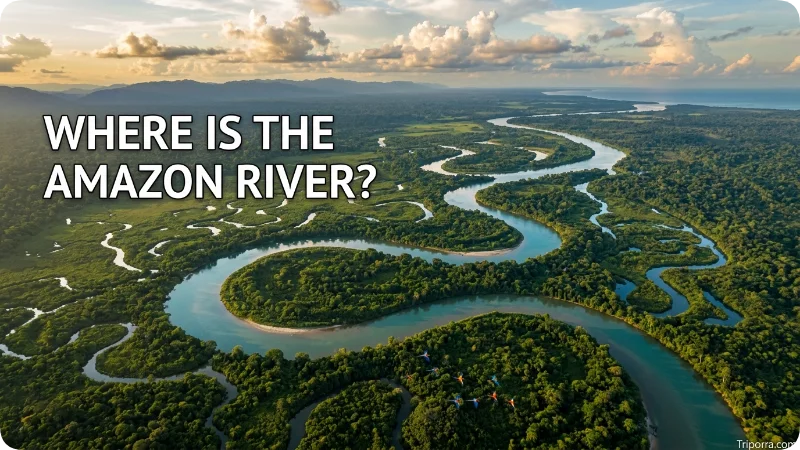
If you are wondering where the Amazon River is, the answer is simple. It is in South America. The river begins in the snow-covered Andes Mountains of Peru and flows east until it reaches the Atlantic Ocean in Brazil. Along the way, it also passes through part of Colombia.
The Amazon River is not located in just one country. Its main channel flows through Peru, Colombia, and Brazil, connecting these countries with one huge river system.
The river’s drainage basin is even larger. It stretches into Bolivia, Ecuador, Venezuela, Guyana, Suriname, and French Guiana, although the main river itself mostly flows through Peru, Colombia, and Brazil.
Many people do not realize how large the Amazon River is. Traveling from its source in Peru to its mouth in Brazil covers a distance similar to crossing much of Europe.
Administrative Status
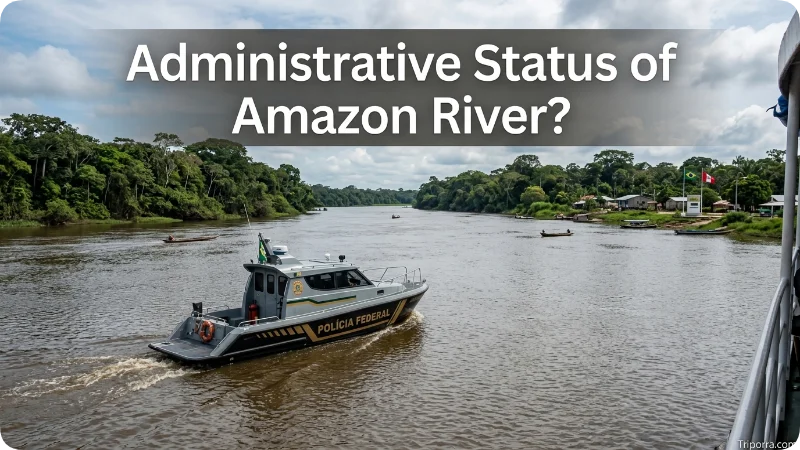
The Amazon River is a natural river, not a country or political region. Different parts of the river are managed by the governments of Peru, Colombia, and Brazil.
The river flows through many states, provinces, and departments, including the Brazilian states of Amazonas and Pará. Since it crosses international borders, these countries often work together to protect the river and its environment.
If you plan to visit the Amazon, remember that travel rules depend on the country you enter. Visa requirements and time zones may change from one part of the river to another.
Amazon River on the Map
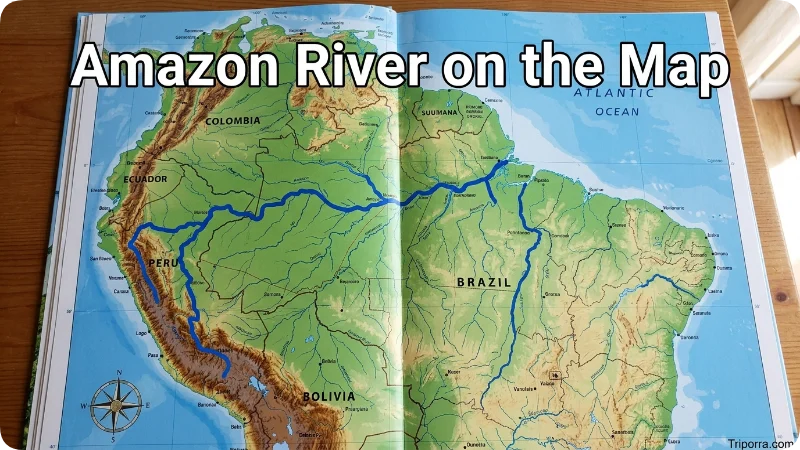
The Amazon River begins in the western part of South America near the Andes Mountains in Peru. From there, it flows almost entirely east until it reaches the Atlantic Ocean.
From Peru’s capital, Lima, the river’s upper section lies to the northeast. From Brasília, much of the river flows to the north before reaching the ocean near Belém.
Along its journey, the river passes through tropical rainforests, wetlands, and large floodplains. The Andes Mountains lie to the west, while the river basin spreads across much of northern South America.
Many maps make the Amazon look much narrower than it really is. During the rainy season, the river becomes much wider as nearby forests and floodplains fill with water. In some places, the flooded area stretches for several kilometres.
Why Is the Amazon River Famous?
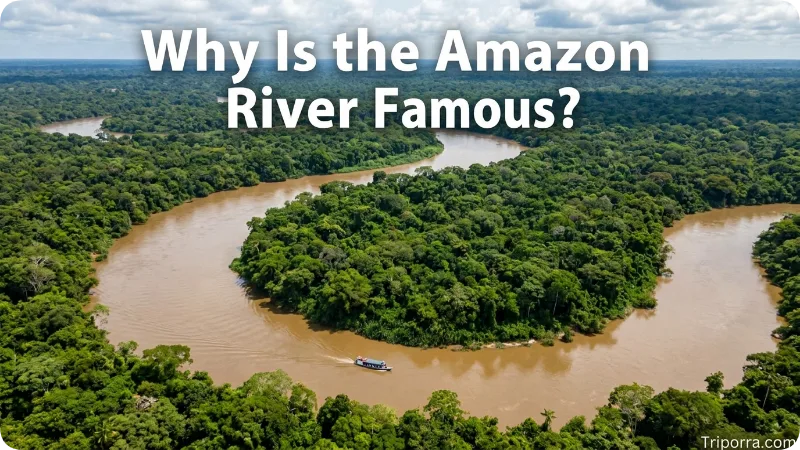
The Amazon River is famous because it carries more freshwater than any other river in the world. Scientists estimate that it provides about 20% of all the freshwater that rivers carry into the world’s oceans.
The river is also known for its incredible wildlife. Thousands of fish species live here, along with pink river dolphins, giant otters, river turtles, caimans, and many kinds of birds. The surrounding rainforest is home to millions of plants and animals, and scientists continue discovering new species.
The Amazon River is also important for people. Millions of people live near it, including Indigenous communities that have depended on the river for thousands of years. Large cities like Manaus use the river for transportation, fishing, trade, and tourism.
The Amazon Basin also helps control rainfall across South America and plays an important role in Earth’s climate and water cycle.
Many communities in the Amazon still depend on boats because roads are limited in many areas. For them, the river is the main way to travel and transport goods.
Some people believe the Amazon is officially the longest river in the world. Scientists still debate this because different studies measure the river’s source differently. However, everyone agrees that the Amazon has the greatest volume of flowing water of any river on Earth.
History
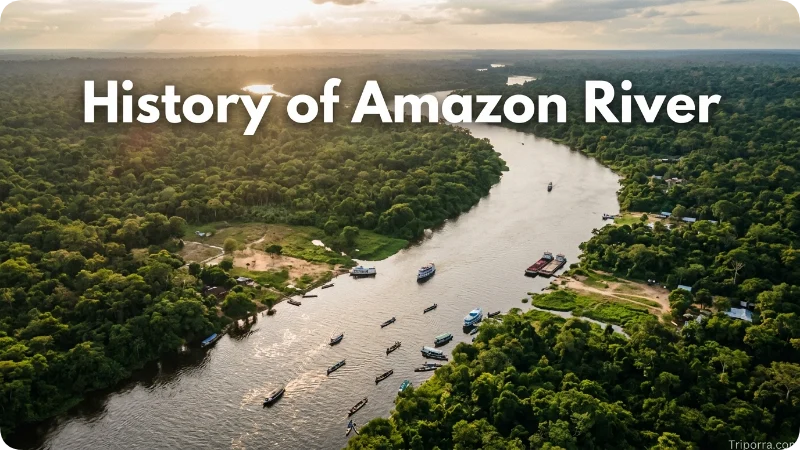
The Amazon River has been an important part of life for thousands of years. Long before Europeans arrived, Indigenous people lived along the river. They farmed, fished, traded with nearby communities, and used the river for travel.
In 1541–1542, Spanish explorer Francisco de Orellana became one of the first Europeans to travel the length of the Amazon River. During his journey, he reported stories about female warriors, which reminded him of the Amazons from Greek mythology. This is how the river got its name.
Over the next few centuries, explorers, missionaries, traders, and settlers traveled along the river. European countries expanded their influence in South America, and the Amazon became an important route for trade and exploration.
Today, the Amazon River remains one of the world’s most valuable natural resources. Scientists study its wildlife and ecosystems, while governments and conservation groups work together to protect the river and the rainforest for future generations.
Climate & Weather
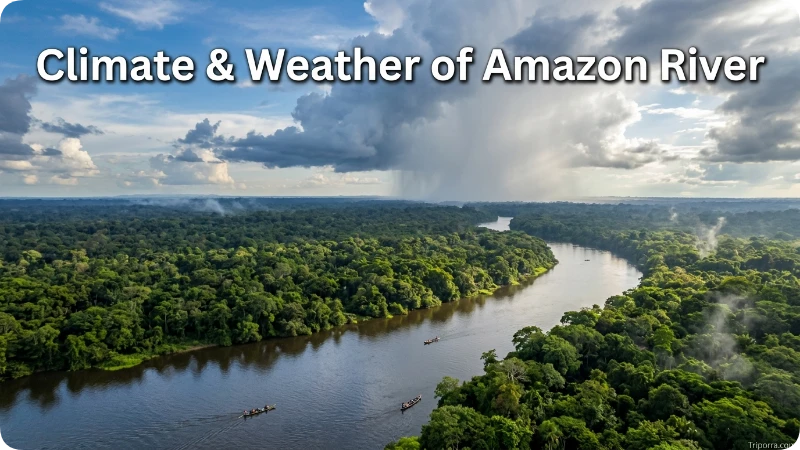
The Amazon River has a tropical rainforest climate, which means it stays warm and humid throughout the year.
Daytime temperatures usually range from 26°C to 32°C (79°F to 90°F). Nights are also warm, and humidity is high in almost every season.
Rain falls throughout the year, but many parts of the Amazon receive the heaviest rainfall between December and May. During this time, river levels rise, flooding nearby forests and creating waterways that boats can travel through.
The weather changes the way visitors experience the Amazon.
- During the high-water season, boats can travel deep into flooded forests, making it easier to explore areas that are normally dry.
- During the low-water season, riverbanks, beaches, and jungle trails become visible, making hiking and wildlife walks easier.
Both seasons offer unique experiences, so there is no single “best” time for everyone.
Things to See & Do
Explore Nature
One of the most popular attractions is the Meeting of the Waters near Manaus. Here, the dark water of the Rio Negro flows beside the lighter water of the Solimões River for several kilometres before they finally mix.
A river cruise is another great way to experience the Amazon. During the high-water season, boats travel through flooded forests where visitors can see wildlife up close.
You can also visit the Anavilhanas Archipelago, one of the largest groups of freshwater islands in the world. It offers beautiful scenery and excellent opportunities for nature photography.
Another unforgettable experience is seeing the famous pink river dolphins swimming freely in their natural habitat.
Discover Wildlife
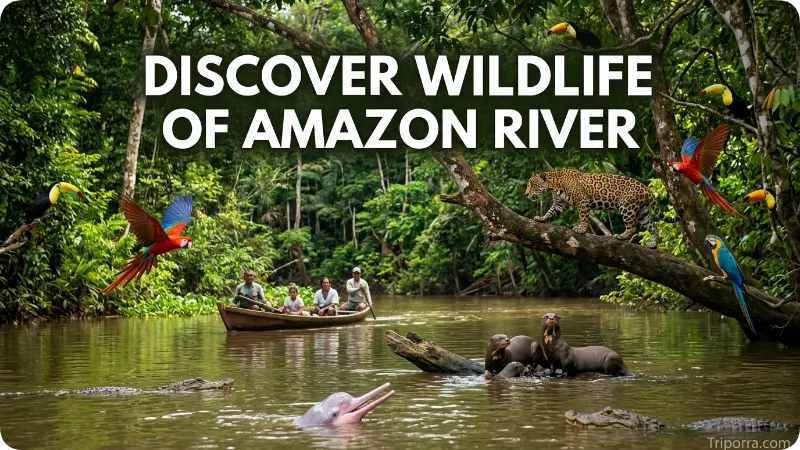
The Amazon is one of the most biodiverse places on Earth.
Visitors may see:
- Sloths resting in trees
- Several species of monkeys
- Brightly coloured macaws
- Toucans
- Giant river otters
- River turtles
- Caimans
- Thousands of fish species
Many guided tours also offer night safaris, where visitors can safely look for caimans and other animals that become active after sunset.
Birdwatching is also popular because the Amazon is home to hundreds of bird species found nowhere else.
Experience Local Culture
Many tours allow visitors to meet Indigenous communities and learn about their traditional way of life.
In cities like Manaus, visitors can explore local markets, walk along the riverfront, and learn about the region’s history and culture.
Some communities also demonstrate traditional fishing methods, handicrafts, and local customs that have been passed down through generations.
Try Local Food
The Amazon offers many unique foods that are difficult to find elsewhere.
Some popular dishes include:
- Tambaqui, one of the region’s most famous freshwater fish.
- Açaí, which is often served differently from the sweet versions found in other countries.
- Tropical fruits such as cupuaçu, camu camu, and many other native fruits.
Trying local food is a great way to experience Amazonian culture.
Best Time to Visit
The Amazon River can be visited at any time of the year. The best time depends on the activities you want to enjoy.
High-Water Season (December to May)
During these months, heavy rainfall causes river levels to rise.
This is the best time for:
- Boat tours through flooded forests
- Wildlife viewing from the water
- Exploring areas that are only accessible by boat
Low-Water Season (June to November)
As water levels fall, more land becomes visible.
This season is ideal for:
- Jungle hiking
- Visiting sandy river beaches
- Fishing trips
- Walking along riverbanks
Shoulder Season
The months between the high-water and low-water seasons are also a good time to visit.
Many travelers enjoy these months because they offer a mix of boating and hiking opportunities while attracting fewer visitors than the busiest travel periods.
No matter when you visit, the Amazon provides incredible scenery, unique wildlife, and unforgettable experiences.
Common Misconceptions
Many people confuse the Amazon River with the Amazon Rainforest, but they are not the same. The Amazon Rainforest is a huge tropical forest that covers several countries, while the Amazon River is the main river that flows through much of the forest.
Another common misunderstanding is that the Amazon River flows through every country in South America. In fact, its main channel only flows through Peru, Colombia, and Brazil. However, its drainage basin extends into several nearby countries.
Some people also think the river is the same width everywhere. This is not true. During the rainy season, the river expands and floods nearby forests. In some places, the water spreads across several kilometres, making the river much wider than it appears on most maps.
Many people also believe the Amazon is officially the world’s longest river. Scientists still debate this because different studies use different starting points for measuring its length. However, the Amazon is without question the largest river in the world by water volume.
Related Places
Amazon Rainforest
The Amazon Rainforest is the world’s largest tropical rainforest. It surrounds much of the Amazon River and is home to millions of plant and animal species. Together, the river and rainforest form one of the most important ecosystems on Earth.
Manaus, Brazil
Manaus is the largest city along the Amazon River. Located in the heart of the Brazilian Amazon, it is one of the main starting points for river cruises, jungle tours, and wildlife adventures.
Belém, Brazil
Belém is located near the Atlantic coast, close to where the Amazon River meets the ocean. The city is known for its busy port, local markets, and rich cultural history.
Iquitos, Peru
Iquitos is one of the world’s largest cities that cannot be reached by road. Most visitors arrive by plane or boat, making it a popular gateway for exploring the upper Amazon.
Andes Mountains
The Amazon River begins in the Andes Mountains of Peru. Snowmelt and mountain streams join together before forming the river that flows across South America.
What Else Do People Want to Know?
Many travelers ask whether the Amazon River is safe to visit. The answer depends on good planning. Joining a guided tour with experienced local guides is usually the safest way to explore the region.
Travel costs vary depending on your style of travel. Budget visitors can stay in simple lodges or guesthouses and join shared boat trips. Luxury travelers can choose comfortable river cruises with expert guides and modern facilities.
Getting to the Amazon also depends on where you want to visit. Cities like Manaus and Iquitos have airports, but many smaller communities can only be reached by boat.
Visitors should always respect Indigenous communities and local traditions. Ask permission before taking photos, follow local rules, and choose responsible tour operators that support local people and protect the environment.
Another thing many travelers forget is that mobile phone service is limited in remote parts of the Amazon. Download maps and important travel information before your trip.
FAQs
1. Where is the Amazon River located?
The Amazon River is located in South America. It begins in Peru, briefly passes through Colombia, flows across Brazil, and empties into the Atlantic Ocean.
2. Which countries does the Amazon River flow through?
The river’s main channel flows through Peru, Colombia, and Brazil, although its drainage basin extends into several other South American countries.
3. Is the Amazon River longer than the Nile?
Scientists still debate which river is longer because different studies measure the rivers differently. However, the Amazon carries more water than any other river in the world.
4. Where does the Amazon River begin?
The Amazon River begins high in the Andes Mountains of Peru, where streams join together before flowing into the rainforest.
5. Where does the Amazon River end?
The river empties into the Atlantic Ocean on Brazil’s northern coast through one of the world’s largest river mouths.
6. Can people swim in the Amazon River?
Swimming is possible in some places, but it is important to follow local advice because of strong currents, changing water conditions, and wildlife.
7. Why is the Amazon River important?
The river supports millions of people, provides habitat for countless animals, helps control regional rainfall, and carries more freshwater than any other river on Earth.
8. What animals live in the Amazon River?
The Amazon is home to pink river dolphins, piranhas, giant river otters, electric eels, river turtles, caimans, and thousands of fish species.
9. Which city is best for visiting the Amazon River?
Manaus in Brazil and Iquitos in Peru are two of the most popular cities for starting an Amazon adventure because they offer easy access to river cruises and rainforest tours.
10. Can you take a cruise on the Amazon River?
Yes. Visitors can choose from short sightseeing cruises or multi-day expeditions that explore remote parts of the Amazon Rainforest.
Closing
The Amazon River is much more than a river on a map. It is one of the world’s most important natural wonders, supporting people, wildlife, and forests across northern South America.
Whether you are interested in geography, nature, wildlife, or travel, learning about the Amazon River helps you understand why it is so important to the planet. From its source in the Andes Mountains to its mouth at the Atlantic Ocean, the river connects different landscapes, cultures, and ecosystems.
If you plan to visit, travel responsibly, respect local communities, and help protect this incredible environment so future generations can enjoy it too.

Silas Vance is a geography enthusiast, travel researcher, and location-focused content writer dedicated to helping readers better understand the world around them on triporra.com. He specializes in creating informative guides about cities, countries, islands, landmarks, universities, and other notable destinations. His work combines geographic accuracy, historical context, and practical insights to answer location-based questions in a simple and engaging way.