Norway is a country in Northern Europe, located on the western side of the Scandinavian Peninsula. It is famous for its deep fjords, long coastline, Arctic landscapes, and high quality of life. Whether you are planning a trip, studying geography, or simply curious about the country, understanding where Norway is helps explain its unique climate, culture, and history.
Featured Snippet
Where is Norway? Norway is a country in Northern Europe on the western part of the Scandinavian Peninsula. It shares land borders with Sweden, Finland, and Russia, while its long coastline faces the North Atlantic Ocean, the Norwegian Sea, and the Barents Sea. Norway is known for its dramatic fjords, Arctic regions, mountains, and strong Viking heritage.
Quick Facts
| Fact | Details |
| Official Name | Kingdom of Norway |
| Country | Norway |
| Region | Northern Europe |
| Population | Approximately 5.6 million |
| Area | Approximately 385,000 sq km (149,000 sq mi) |
| Elevation | Highest point: Galdhøpiggen (approximately 2,469 m / 8,100 ft) |
| Coordinates | Approximately 61° N, 8° E |
| Time Zone | Central European Time (CET), Central European Summer Time (CEST) |
| Nearest Major City | Oslo |
| Known For | Fjords, Northern Lights, Viking history, mountains, Arctic landscapes |
| Language | Norwegian |
| Currency | Norwegian Krone (NOK) |
Where Is Norway?
Norway is located in Northern Europe on the western side of the Scandinavian Peninsula. It stretches from the southern coast near Denmark to well above the Arctic Circle. The country shares its longest border with Sweden to the east, while Finland and Russia lie farther northeast.
Norway has one of the world’s longest coastlines because of its many islands, bays, and famous fjords. The country faces the Norwegian Sea, the North Sea, and the Barents Sea, giving it a strong connection to the Atlantic Ocean.
Oslo, the capital, sits in the southeastern part of the country near the Oslofjord. Bergen is on the west coast, while Tromsø lies far north inside the Arctic Circle.
Many travellers are surprised by Norway’s size. Driving from the southern tip to the far north can take more than a full day without long stops. What most guides miss is that Norway is a very long country rather than a wide one, which explains why the weather can change greatly from one region to another.
Administrative Status
Norway is an independent constitutional monarchy officially known as the Kingdom of Norway. The country has a parliamentary system of government, with Oslo serving as the national capital.
Norway is divided into counties and municipalities, each responsible for many local services. Although Norway is not a member of the European Union, it participates in the European Economic Area (EEA), allowing close economic ties with many European countries.
For many visitors, this means Norway has its own immigration rules, visa policies, and currency. Even though nearby Sweden, Denmark, and Finland use different arrangements, travel between Scandinavian countries is generally straightforward for many international tourists.
Currency of Norway
Norway uses the Norwegian Krone (NOK) as its official currency. Although Norway is part of the European Economic Area (EEA), it does not use the euro. Credit and debit cards are widely accepted across the country, and many businesses also support contactless and mobile payments.
Language Spoken in Norway
The official language of Norway is Norwegian, which has two written forms: Bokmål and Nynorsk. Sami languages are also officially recognized in parts of northern Norway where the Indigenous Sami people live.
English is widely spoken throughout Norway, especially in cities, tourist destinations, hotels, restaurants, and among younger people. Most international visitors can travel comfortably using English.
Norway on the Map
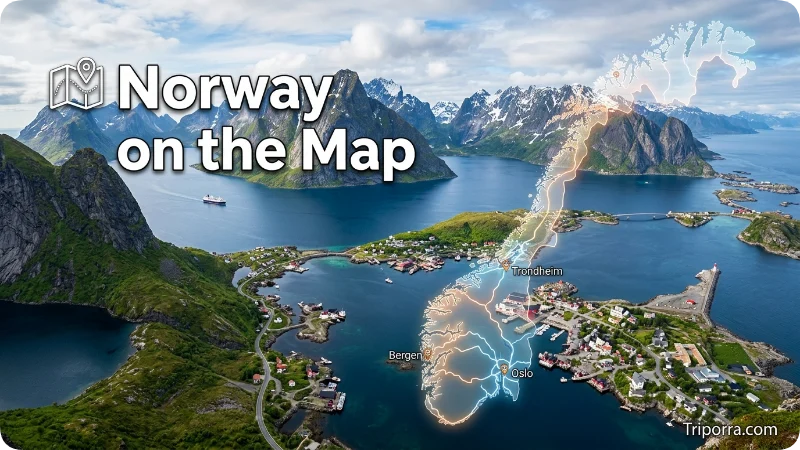
Norway occupies the western edge of Scandinavia. Sweden borders it to the east, Finland lies to the northeast, and Russia shares a short border in the far northeast.
To the west, Norway meets the Norwegian Sea and the Atlantic Ocean. South of Norway lies Denmark across the Skagerrak Strait, while Iceland is farther west across the North Atlantic.
The country extends for roughly 1,700 kilometers (about 1,050 miles) from south to north. This long shape means northern towns experience the Midnight Sun during summer, while southern cities enjoy a milder climate.
Travellers often overlook how much of Norway’s transportation depends on ferries because mountains and fjords make direct road connections difficult.
Why Is Norway Famous?
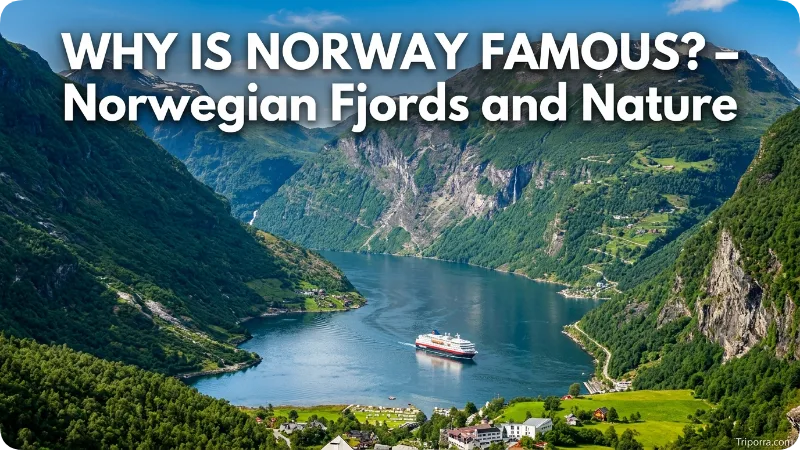
Norway is best known for its spectacular natural scenery. The country’s fjords, carved by glaciers over thousands of years, are among the most recognizable landscapes in Europe. Geirangerfjord and Nærøyfjord attract visitors from around the world because of their steep cliffs, waterfalls, and clear blue water.
Norway is also famous for the Northern Lights. During winter, areas above the Arctic Circle offer excellent opportunities to see this natural light display. Tromsø, Alta, and the Lofoten Islands are popular viewing locations.
The country’s Viking history remains an important part of its identity. Museums, archaeological sites, and preserved Viking ships help visitors understand the people who explored much of Europe over a thousand years ago.
Outdoor life is deeply connected to Norwegian culture. Hiking, skiing, fishing, kayaking, and mountain climbing are common activities throughout the year. The public right to access nature, known as Allemannsretten, allows people to enjoy much of the countryside responsibly.
Norway is also recognized for its modern society, renewable energy production, seafood industry, and high living standards.
A commonly misunderstood fact is that Norway is always covered in snow. While northern areas have long winters, cities such as Bergen and Oslo enjoy warm summer days, with temperatures often reaching above 20°C (68°F).
Another detail many people miss is that western Norway often receives much more rainfall than inland regions because moist Atlantic air meets the coastal mountains.
History
People have lived in the area now known as Norway since the end of the last Ice Age. Farming communities gradually developed, followed by the rise of local kingdoms.
During the Viking Age, roughly from the late eighth century to the eleventh century, Norwegian sailors explored, traded, and settled across Europe and the North Atlantic. Their journeys reached Iceland, Greenland, and even parts of North America.
In later centuries, Norway entered political unions with Denmark and later Sweden. These periods shaped the country’s government, economy, and cultural development.
Norway peacefully dissolved its union with Sweden in 1905 and became an independent kingdom.
During World War II, Norway was occupied by Germany from 1940 until 1945. After the war, the country rebuilt rapidly and developed into one of the world’s strongest economies.
The discovery of offshore oil and natural gas in the North Sea during the late twentieth century transformed Norway’s economy. Today, income from these resources helps support public services while large investments have also been made in renewable energy and long-term savings.
Climate & Weather
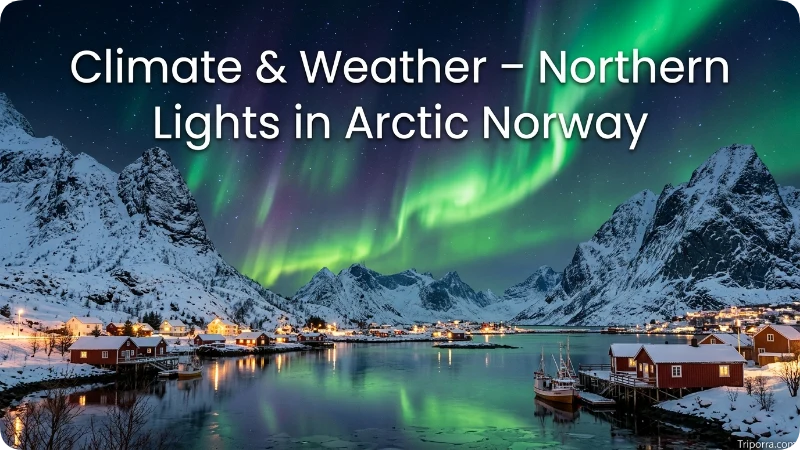
Norway experiences several climate zones because of its long north-to-south distance.
Southern coastal areas generally have mild winters and comfortable summers thanks to the warming influence of the Gulf Stream. Inland mountain regions become much colder during winter and receive heavy snowfall.
Northern Norway has Arctic and subarctic climates. Winter brings long nights, while summer offers the Midnight Sun in many places north of the Arctic Circle.
Spring and early autumn often provide pleasant temperatures with fewer crowds. Travellers often overlook that weather can change quickly, especially in mountain areas, so packing waterproof clothing is important during every season.
One seasonal trap is assuming summer weather stays warm all day. Even in July, temperatures can drop quickly during evenings in coastal and northern regions.
Things to See & Do
Nature
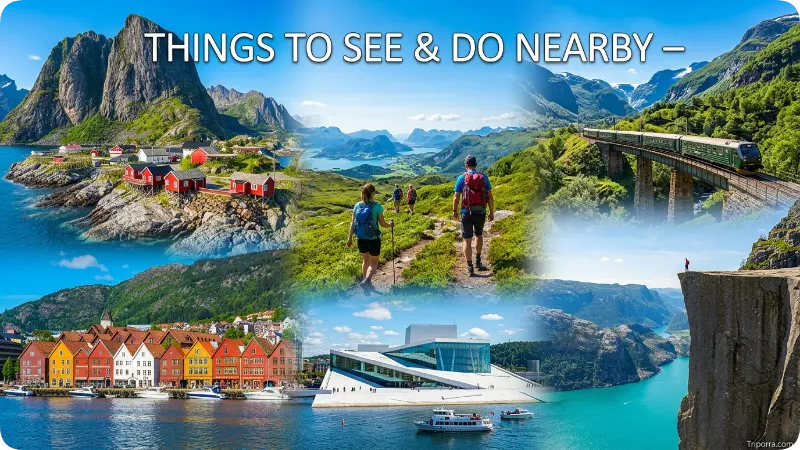
- Geirangerfjord
- Nærøyfjord
- Lofoten Islands
- Trolltunga
- Preikestolen (Pulpit Rock)
- Jotunheimen National Park
These locations offer hiking, photography, kayaking, boat cruises, and unforgettable mountain views.
Cities & Culture
- Oslo
- Bergen
- Trondheim
- Tromsø
Visitors can explore museums, historic neighborhoods, art galleries, local markets, and waterfront districts.
History
- Viking Ship collections
- Akershus Fortress
- Bryggen Wharf in Bergen
- Nidaros Cathedral
These places tell the story of Norway from the Viking Age through medieval and modern times.
Food Experiences
Try local seafood, salmon, cod, king crab, brown cheese, fresh berries, waffles, and traditional cinnamon pastries. Coastal fishing villages also serve some of the freshest seafood in Europe.
Best Time to Visit
The best time to visit depends on what you want to experience.
Summer, from June through August, offers long daylight hours, hiking trails, road trips, and fjord cruises. This is the busiest tourist season, and accommodation prices are usually higher.
Spring, especially May, is one of the best choices for many travelers. Snow still covers mountain peaks while valleys become green and waterfalls are at their strongest because of melting snow.
September is another excellent option. Crowds become smaller, temperatures remain comfortable, and autumn colors begin appearing across forests and mountains.
Winter is ideal for skiing, snow activities, and viewing the Northern Lights. However, some mountain roads and hiking routes close because of heavy snow.
What most guides miss is that May often combines beautiful scenery with fewer visitors, making it one of Norway’s most rewarding travel months.
Common Misconceptions
Many people believe Norway is located at the North Pole. In reality, although part of the country lies above the Arctic Circle, most Norwegians live much farther south.
Another common misunderstanding is confusing Norway with neighboring Sweden because both are part of Scandinavia. While they share many similarities, they have different governments, currencies, languages, and historical traditions.
Some also think polar bears live throughout mainland Norway. In fact, polar bears naturally live in the Svalbard archipelago, not on mainland Norway.
Related Places
Sweden
Norway’s eastern neighbor shares the Scandinavian Peninsula. Many travelers combine both countries during one trip because border crossings are generally simple.
Finland
Located northeast of Norway, Finland provides another gateway to the Arctic region and offers excellent winter activities.
Denmark
Although separated by water, Denmark is closely connected with Norway through history, culture, and ferry routes.
Iceland
Farther west across the North Atlantic, Iceland shares volcanic landscapes and dramatic natural scenery, making it a popular addition to Nordic travel plans.
Svalbard
This remote Norwegian archipelago lies far north in the Arctic Ocean. It is famous for glaciers, wildlife, and polar research.
What Else Do People Want to Know?
Many visitors ask whether Norway is expensive. The answer is generally yes. Food, hotels, and transportation often cost more than in many other European countries, but public services and infrastructure are excellent.
Norway is considered one of the safest countries in the world for travelers. Crime rates are relatively low, although normal travel precautions should always be taken.
Many nationalities can enter Norway for short tourist visits without difficulty, but visa requirements depend on citizenship. Checking official travel information before departure is always recommended.
Although Norwegian is the official language, English is widely spoken across the country. Most people, especially in cities and tourist areas, speak English fluently, so international visitors rarely face communication difficulties.
Public transportation is reliable, and scenic train journeys, ferries, and buses connect even many remote regions.
Frequently Asked Questions
Where Is Norway on the World Map?
Norway is located in Northern Europe on the western part of the Scandinavian Peninsula. It borders Sweden and has coastlines along the North Atlantic Ocean and the Arctic Ocean.
Where Is Norway Located in Europe?
Norway is in Northern Europe, sharing borders with Sweden, Finland, and Russia. It is part of the Scandinavian region alongside Sweden and Denmark.
Does Norway Have a National Football Team (Norway FC)?
Yes. Norway has a national football team that represents the country in international competitions organized by FIFA and UEFA. The team is managed by the Norwegian Football Federation and is well known for players such as Erling Haaland and Martin Ødegaard. Although people often search for “Norway FC,” the correct term is the Norway national football team, not a single football club.
Is Norway in the UK?
No, Norway is not part of the United Kingdom. It is an independent country located across the North Sea from the UK.
What Continent Is Norway In?
Norway is located in Europe. Specifically, it is part of Northern Europe and the Scandinavian Peninsula.
Is Norway in the European Union (EU)?
No, Norway is not a member of the European Union. However, it participates in the European Economic Area (EEA), allowing access to the EU’s single market.
What Is the Capital of Norway?
The capital of Norway is Oslo. It is the country’s largest city and serves as its political, economic, and cultural center.
What Language Is Spoken in Norway?
Norwegian is the official language of Norway, with Bokmål and Nynorsk as its two written standards. English is also widely spoken, making communication easy for most international visitors.
What Are 7 Interesting Facts About Norway?
Norway is known for its breathtaking landscapes, rich history, and exceptional quality of life. Here are seven interesting facts that make the country unique:
9. Is Norway expensive to visit?
Yes. Norway is considered one of Europe’s more expensive destinations. Hotels, restaurants, and transportation often cost more than in neighboring countries, but visitors generally find the services, safety, and infrastructure to be of a very high standard.
10. Can you see the Northern Lights everywhere in Norway?
The Northern Lights are most commonly seen in Northern Norway, especially between late September and March. Clear, dark skies improve your chances of seeing the display.
11. Does Norway have fjords?
Yes. Norway is home to more than a thousand fjords. Famous examples include Geirangerfjord, Nærøyfjord, and Sognefjord, which attract visitors from around the world.
12. What is the best month to visit Norway?
For hiking and sightseeing, June through August offers the warmest weather and long daylight hours. For fewer crowds, many experienced travelers prefer May or September, while winter is best for skiing and the Northern Lights.
Conclusion
Norway is a country in Northern Europe that stretches along the western side of the Scandinavian Peninsula. Its dramatic fjords, Arctic landscapes, mountains, and coastal cities make it one of the world’s most distinctive destinations. Whether you’re interested in Viking history, hiking through national parks, watching the Northern Lights, or simply understanding its location on the map, Norway offers something unique in every season.
Travellers often overlook how diverse the country is from south to north. A single trip can include mild coastal towns, snowy mountain ranges, and Arctic wilderness. What most guides miss is that Norway’s geography shapes nearly every part of daily life, from transportation to local traditions. If you’re planning a visit, learning where Norway is gives you a better understanding of why this Nordic country stands apart from the rest of Europe.

Silas Vance is a geography enthusiast, travel researcher, and location-focused content writer dedicated to helping readers better understand the world around them on triporra.com. He specializes in creating informative guides about cities, countries, islands, landmarks, universities, and other notable destinations. His work combines geographic accuracy, historical context, and practical insights to answer location-based questions in a simple and engaging way.