Vermont is a small state in the northeastern United States, located in the New England region. It borders New York to the west, New Hampshire to the east, Massachusetts to the south, and Canada to the north. The state sits between the Adirondack Mountains and the Connecticut River, while the Green Mountains run through much of its center.
Known as the Green Mountain State, Vermont is famous for its mountain scenery, forests, fall colors, maple syrup, covered bridges, ski resorts, and small rural towns. Its capital is Montpelier, while Burlington is the largest city. Although Vermont is one of the smallest U.S. states by area and population, its location makes it an important part of northern New England.
If you are wondering where Vermont is, whether it is part of New England, how far it is from New York or Boston, or whether Vermont is in Canada, this guide explains its exact location, borders, geography, major cities, climate, and what makes the state unique.
Featured Snippet: Where Is Vermont?
It is a state in the northeastern United States, part of the New England region. It is located between New York and New Hampshire, with Massachusetts to the south and Quebec, Canada, to the north. The state is famous for the Green Mountains, fall foliage, outdoor activities, and its small-town character.
Quick Facts About Vermont
| Fact | Details |
| Official Name | State of Vermont |
| Country | United States |
| Region | New England, Northeastern United States |
| Capital | Montpelier |
| Largest City | Burlington |
| Population | Approximately 650,000 people |
| Area | Approximately 24,900 sq km (9,600 sq mi) |
| Highest Point | Mount Mansfield (approximately 1,340 m / 4,393 ft) |
| Coordinates | Approximately 44.0° N, 72.7° W |
| Time Zone | Eastern Time (ET) |
| Nearest Major Cities | Boston, Massachusetts; Montreal, Quebec, Canada |
| Known For | Green Mountains, maple syrup, forests, skiing, and colorful fall foliage |
| Primary Language | English |
| Currency | United States Dollar (USD) |
Where Is Vermont Located?
It is located in the northeastern United States, within the New England region. It is one of the six New England states, along with Maine, New Hampshire, Massachusetts, Rhode Island, and Connecticut.
The state sits between New York to the west and New Hampshire to the east. Massachusetts forms its southern border, while Quebec, Canada, lies directly north. Its position gives Vermont easy connections to both American cities and Canadian destinations.
From a regional view, it is about 90 miles (145 km) south of Montreal and approximately 180 miles (290 km) northwest of Boston. New York City is farther away, around 300 miles (480 km) southwest of much of the state.
Travellers often overlook that Vermont is not a coastal state. Unlike nearby Maine or Massachusetts, it does not touch the Atlantic Ocean. Instead, its identity comes from mountains, lakes, forests, and inland landscapes.
Is Vermont on the East Coast?
The state’s name is sometimes confused with the French phrase “vert mont,” meaning “green mountain,” because of its famous mountain range. The name Vermont comes from the French words “vert” (green) and “mont” (mountain), reflecting the area’s landscape.
Although it is considered part of the East Coast region of the United States, it does not have an Atlantic coastline. Instead, it is an inland state in New England, bordered by New York, New Hampshire, Massachusetts, and Quebec, Canada. Its location allows visitors to reach major cities such as Boston, Albany, and Montreal within a few hours by road.
Many people also ask whether it is part of New York because of its close border. It is a separate U.S. state with its own government, history, and identity. It has been part of the United States since 1791 and remains one of the six New England states.
Administrative Status of Vermont
It is one of the 50 states of the United States. Its capital city is Montpelier, which is the smallest state capital in the United States by population.
The state is divided into 14 counties and includes cities, towns, villages, and rural communities. Unlike many states, Vermont has a strong town-based local government system, where many communities manage their own affairs.
As part of the United States, it follows federal laws, uses the U.S. dollar, and operates under the Eastern Time Zone. Visitors from other countries may need a U.S. visa or travel authorization depending on their nationality.
What most guides miss is that Vermont’s small population affects the travel experience. Many areas have limited public transportation, so having a car is often the easiest way to explore mountain roads, villages, and outdoor attractions.
Vermont State Population
Vermont has a population of approximately 650,000 people, making it one of the least populated states in the United States.
Most Vermont residents live in small towns and rural communities rather than large cities. Burlington is the largest city, while Montpelier serves as the state capital.
The state’s small population is one reason Vermont is known for peaceful communities, open spaces, forests, and outdoor activities.
Vermont on the Map
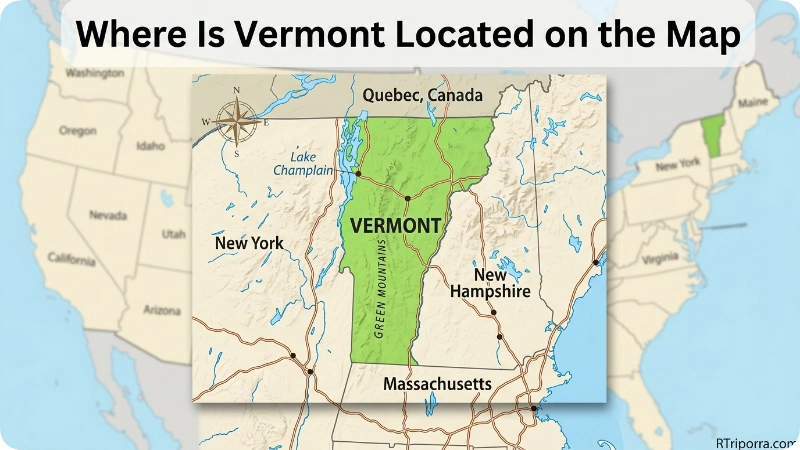
Vermont is located in the northeastern corner of the United States. It shares borders with three U.S. states and one Canadian province.
- West: New York State, separated partly by Lake Champlain
- East: New Hampshire, divided mostly by the Connecticut River
- South: Massachusetts
- North: Quebec, Canada
The state is landlocked, but Lake Champlain creates a large freshwater landscape along the western side. This lake stretches into New York and connects historically and economically with nearby regions.
If you look at a map of New England, Vermont appears as a narrow state between New York and New Hampshire. Its north-south shape places northern Vermont closer to Canada, while southern Vermont is closer to cities like Boston and Albany.
A common geography mistake is thinking Vermont is part of upstate New York because the two areas share similar mountains and forests. It is a separate state with its own government, history, and cultural identity.
Vermont State Map and Location
Vermont is located in the northeastern United States and is part of the New England region. On a state map, Vermont appears between New York and New Hampshire, with Massachusetts to the south and Quebec, Canada, to the north.
The state has a narrow north-to-south shape and is known for its mountainous landscape. The Green Mountains run through the center of Vermont, while Lake Champlain forms an important geographic feature along the western border.
Looking at a Vermont state map helps explain its location within the United States. Northern Vermont is close to Montreal, Canada, while southern Vermont has easier access to cities such as Boston and Albany.
Vermont’s Geographic Coordinates and Regional Position
Vermont is located at approximately 44.0° North latitude and 72.7° West longitude in the northeastern United States. It stretches about 160 miles (257 km) from north to south and approximately 80 miles (129 km) from east to west at its widest point.
Because of its central location within New England, Vermont is within driving distance of several major cities. Boston is around three to four hours away, Montreal is about two hours from northern Vermont, and Albany, New York, is roughly a two-hour drive from many western parts of the state. This convenient location makes Vermont a popular destination for weekend trips and outdoor vacations.
Why Is Vermont Famous?
Vermont is famous mainly for its natural beauty, especially the Green Mountains that run through much of the state. These mountains attract visitors for hiking, skiing, snowboarding, and scenic drives.
One of Vermont’s strongest cultural symbols is maple syrup production. The state is among the top maple syrup producers in the United States. During early spring, visitors can see sugarhouses where maple trees are tapped, and sap is turned into syrup.
Autumn is another major reason people visit Vermont. The state’s forests become filled with red, orange, and yellow leaves, creating some of the most recognized fall landscapes in the country. However, travellers often overlook a seasonal trap: peak fall colors are not guaranteed on one exact date. Weather conditions change the timing each year, and northern areas usually change before southern areas.
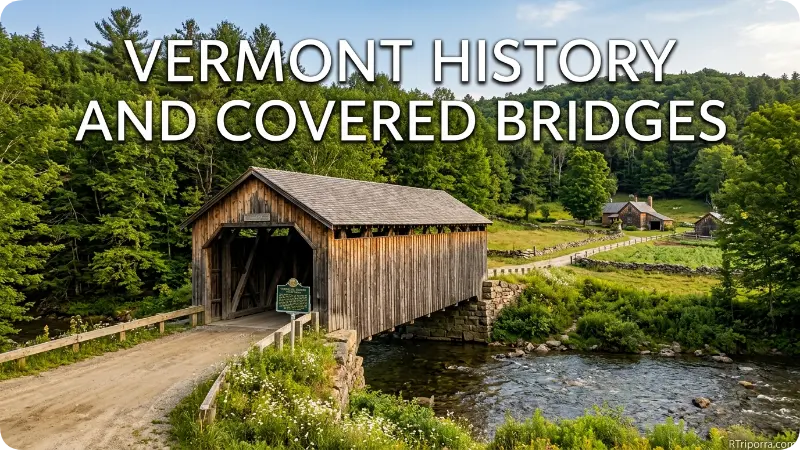
Vermont is also known for its covered bridges. These wooden structures became symbols of rural New England and can still be found throughout the state.
Outdoor lovers visit places like Green Mountain National Forest for hiking trails, wildlife viewing, and camping. The state is also home to popular ski areas, including Stowe Mountain Resort, which attracts winter visitors.
Beyond nature, Vermont has a strong local food culture. Small farms, craft producers, cheese makers, and independent restaurants are important parts of the state’s economy. The town of Burlington, located beside Lake Champlain, is known for its lake views, arts scene, and connection to outdoor activities.
Another detail many visitors miss is that Vermont is not only a winter destination. While skiing is important, the state offers different experiences throughout the year, from summer hiking to spring maple events.
History of Vermont
The history of Vermont began long before European settlement, with Indigenous peoples including the Abenaki people living in the region for thousands of years.
European exploration began in the early 1600s. French explorer Samuel de Champlain reached the area in 1609, and the lake that carries his name became an important geographic feature.
During the 1700s, European settlers arrived, and the area became involved in conflicts between British and French forces. After the American Revolution, Vermont declared independence in 1777 and operated as an independent republic for several years.
Vermont joined the United States as the 14th state in 1791. Since then, it has developed an economy based on agriculture, forestry, manufacturing, tourism, and small businesses.
The state played an important role in American history. It was the first state to join the Union after the original 13 colonies and became known for its strong traditions of local government and community involvement.
Today, Vermont’s identity remains connected to its history. Old farms, historic villages, and traditional crafts continue to influence the state’s culture.
Why Is Vermont Called Vermont?
The name Vermont comes from the French words “vert” meaning green and “mont” meaning mountain. Together, the name means “Green Mountain.”
The name describes Vermont’s famous landscape, especially the Green Mountains that extend through the center of the state.
Vermont is also called the Green Mountain State because of its forest-covered mountains, natural scenery, and outdoor traditions.
An important historical fact is that Vermont existed as an independent republic from 1777 to 1791 before becoming the 14th state of the United States.
Climate and Weather in Vermont
Vermont has a humid continental climate, with four clear seasons. Summers are generally warm but comfortable, while winters are cold and snowy.
Average summer temperatures often range from about 65°F to 80°F (18°C to 27°C). Winters commonly bring temperatures below freezing, with snowfall especially in mountain areas.
Spring is usually mild but can be unpredictable. Snow may remain in higher elevations while lower areas begin warming. Autumn brings cooler temperatures and colorful forests.
The best weather depends on what visitors want to do:
- Hiking is popular from late spring through early autumn.
- Skiing is best during the winter months.
- Fall sightseeing is popular but requires flexible planning because leaf colors change with weather conditions.
Travellers sometimes expect Vermont winters to be the same everywhere, but mountain towns can receive much more snow than valleys and southern areas.
When Does Vermont Get Snow?
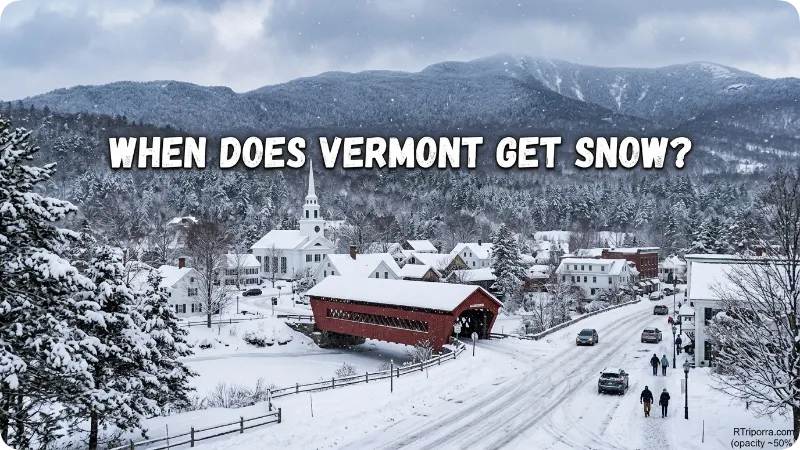
Snow usually begins falling in late November and continues through March, although higher mountain areas may receive snowfall earlier and later in the season. January is typically the coldest month, while July is usually the warmest.
Another unique part of Vermont’s climate is mud season, which occurs during early spring as melting snow softens unpaved roads and hiking trails. Autumn generally reaches peak fall foliage between late September and mid-October, although the exact timing changes each year depending on weather conditions.
What Are the Biggest Cities in Vermont?
Although Vermont is known for small towns and rural landscapes, it has several important cities and communities.
| City | Importance |
|---|---|
| Burlington | Largest city in Vermont and located on Lake Champlain |
| South Burlington | Important residential and business area |
| Rutland | Known for transportation and outdoor access |
| Barre | Known for granite industry and history |
| Montpelier | Capital city of Vermont |
Burlington is the largest city in Vermont and the state’s cultural center. Montpelier is smaller but has national importance because it is the capital of Vermont.
Things to See and Do in Vermont
Nature and Outdoor Attractions
Green Mountain National Forest
This large forest area offers hiking trails, camping spots, wildlife viewing, and scenic mountain landscapes. It is one of the best places to experience Vermont’s natural environment.
Lake Champlain
Located along Vermont’s western border, Lake Champlain offers boating, fishing, swimming, and views of the surrounding mountains.
Mount Mansfield
The highest mountain in Vermont is popular for hiking, skiing, and panoramic views.
Culture and History
Shelburne Museum
This museum near Burlington features historic buildings, art collections, and exhibits about American life.
Bennington Battle Monument
This tall monument recognizes the Battle of Bennington during the American Revolutionary War.
Covered Bridges
Vermont has many historic covered bridges spread across small towns and countryside areas.
Food and Local Experiences
Maple Sugarhouses
Visitors can learn about maple syrup production, especially during the spring sugaring season.
Vermont Cheese Trails
The state is known for artisan cheese makers, farms, and local food producers.
Best Time to Visit Vermont
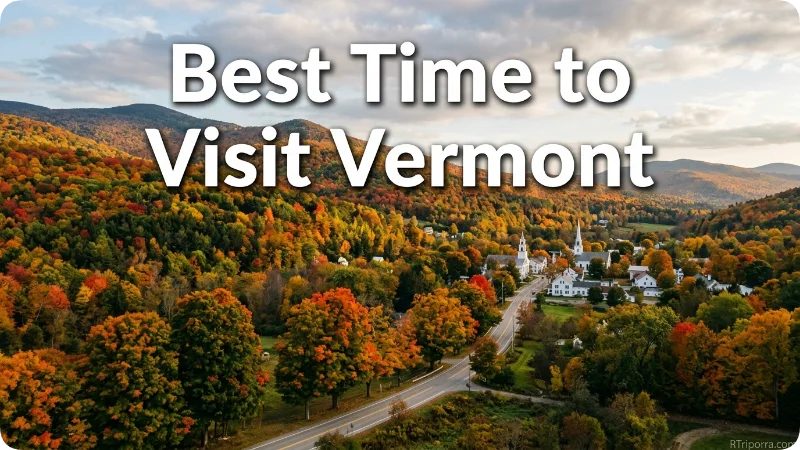
The best time to visit Vermont depends on the experience you want.
Summer (June to August) is ideal for hiking, cycling, lake activities, and exploring small towns. Temperatures are comfortable, but popular areas can become crowded.
Autumn (late September to October) is the most famous season because of fall foliage. The scenery is beautiful, but accommodations can fill quickly. Planning is important.
Winter (December to March) attracts visitors for skiing, snowboarding, and snowy landscapes. Some rural roads can become difficult during storms.
Spring (April to May) is quieter and offers maple syrup events, but the weather can be muddy and unpredictable.
The shoulder seasons are often a good choice for travellers who want fewer crowds and lower prices. Many guides focus only on fall, but spring and early summer can offer a more relaxed experience.
How to Get to Vermont
Vermont can be reached by car, plane, train, or bus. Burlington International Airport is the state’s primary airport and serves many domestic destinations. Smaller regional airports are also available in different parts of the state.
Travelers can reach Vermont by Amtrak’s Vermonter train, which connects Washington, D.C., New York City, and several Vermont communities. Driving remains the most convenient option because many scenic attractions, mountain towns, and hiking areas are not easily accessible by public transportation.
The cost of visiting Vermont varies by season. Hotel prices are generally highest during the fall foliage and winter ski seasons because of increased visitor demand. Spring and early summer often offer more affordable accommodation rates.
Food prices range from inexpensive local cafés to fine farm-to-table restaurants. Travelers looking to save money can visit during weekdays, book accommodations early, and enjoy many free outdoor attractions such as hiking trails, scenic drives, lakes, and state parks.
Common Misconceptions About Vermont
Many people confuse Vermont with nearby states because New England has similar landscapes and traditions. One common mistake is thinking Vermont is a city. Vermont is a state, and its largest communities are small compared with major U.S. cities.
Another misunderstanding is that Vermont is always covered in snow. Winters are cold, but the state experiences four seasons. Summers can be warm, and many outdoor activities happen during the warmer months.
Some visitors also believe Vermont is only famous for skiing. While winter sports are important, the state is equally known for hiking, farming, maple syrup, historic villages, and autumn scenery.
The name can also create confusion. Vermont means “green mountain” in French, but it is not the name of a single mountain. It refers to the state and its landscape, especially the Green Mountains that run through the region.
Related Places Near Vermont
Lake Champlain
Lake Champlain is one of Vermont’s most important natural features. Located along the western border, it offers boating, fishing, beaches, and scenic views toward the Adirondack Mountains of New York.
Burlington
Burlington, Vermont is located on the eastern shore of Lake Champlain. It is known for its waterfront, local markets, restaurants, and access to outdoor activities.
Stowe
Stowe, Vermont is a popular destination for skiing, hiking, and mountain views. It combines outdoor recreation with a traditional New England village atmosphere.
White Mountains
The White Mountains of New Hampshire are located east of Vermont. Visitors often combine trips to Vermont and New Hampshire because both regions offer hiking, forests, and mountain scenery.
Montreal, Canada
Montreal is one of the closest major international cities to Vermont. Its location north of the border makes it a common addition to Vermont travel plans.
Is Vermont a Good Place to Live?
Vermont is considered a good place to live for people who enjoy nature, quiet communities, and a slower lifestyle.
The state offers beautiful landscapes, outdoor activities, clean surroundings, and strong local communities. Many residents enjoy hiking, skiing, farming, and exploring nature throughout the year.
However, Vermont also has challenges. Housing costs can be high in popular areas, job opportunities may be more limited compared with larger states, and some rural areas have fewer transportation options.
For people who prefer peaceful towns, outdoor activities, and a close connection with nature, Vermont can be an attractive place to live.
What Else Do People Want to Know About Vermont?
Vermont is generally considered a safe destination for travellers. Most visitors experience a peaceful environment, especially in rural towns and outdoor areas.
The cost of visiting Vermont depends on the season. Fall and winter can be more expensive because of high demand for foliage trips and ski vacations. Travellers looking for lower prices often choose spring or early summer.
Getting around Vermont is easiest by car. Public transportation exists between some major towns, but many scenic areas, hiking locations, and small villages are difficult to reach without private transportation.
International visitors should check U.S. entry requirements before travelling. Rules depend on nationality, travel purpose, and length of stay.
Local customs are generally relaxed. Visitors are often encouraged to respect nature, follow trail rules, support local businesses, and leave outdoor areas clean.
What most guides miss is that Vermont’s charm often comes from smaller communities rather than famous attractions. Driving through quiet roads, visiting local farms, and exploring small towns can be just as memorable as visiting major landmarks.
FAQs
Where is Vermont located in the United States?
Vermont is located in the northeastern United States in the New England region. It borders New York, New Hampshire, Massachusetts, and Quebec, Canada.
Is Vermont a city or a state?
Vermont is a U.S. state, not a city. Its capital is Montpelier, while Burlington is its largest city.
What country is Vermont in?
Vermont is part of the United States of America. It is one of the 50 states in the country.
What is Vermont famous for?
Vermont is famous for the Green Mountains, maple syrup, fall foliage, covered bridges, skiing, farms, and rural landscapes.
Is Vermont close to Canada?
Yes. Northern Vermont shares a border with Quebec, Canada. The Canadian city of Montreal is located approximately 90 miles north of parts of the state.
What is the best month to visit Vermont?
The best month depends on your interests. October is popular for fall colors, while summer is great for outdoor activities and winter is best for skiing.
Does Vermont have mountains?
Yes. The Green Mountains run through the state, and Mount Mansfield is the highest peak in Vermont.
What is the capital of Vermont?
Montpelier is the capital city of Vermont. It is known as the smallest U.S. state capital by population.
Is Vermont expensive to visit?
Vermont can be expensive during peak fall foliage and ski seasons. Travelling during quieter months can reduce costs.
How many people live in Vermont?
Vermont has approximately 650,000 residents, making it one of the least populated U.S. states.
Is Vermont on the East Coast?
Yes. Vermont is part of the East Coast region of the United States and belongs to New England, but it does not have a coastline because it is an inland state.
Does Vermont have national parks?
Vermont does not have a large U.S. national park. However, it is home to Green Mountain National Forest, numerous state parks, scenic recreation areas, and protected natural landscapes.
Is Vermont part of New England?
Yes. Vermont is one of the six New England states, along with Maine, New Hampshire, Massachusetts, Rhode Island, and Connecticut.
What is the nearest major city to Vermont?
Nearby major cities include Montreal in Canada, Boston in Massachusetts, Albany in New York, and Manchester in New Hampshire, depending on which part of Vermont you are visiting.
Is Vermont in Canada or the USA?
Vermont is in the United States. It is one of the 50 U.S. states and is located in the northeastern part of the country. However, Vermont shares a northern border with Quebec, Canada.
What country is Vermont in?
Vermont is part of the United States of America. It is located in the New England region of the northeastern United States.
Is Vermont a city?
No, Vermont is not a city. Vermont is a U.S. state. It contains cities and towns, including Burlington, Montpelier, and Rutland.
Is Vermont part of New York?
No. Vermont is a separate U.S. state located east of New York. Although both areas share mountains and forests, Vermont has its own government and identity.
What time zone is Vermont in?
Vermont follows Eastern Time (ET). It uses Eastern Standard Time (EST) during winter and Eastern Daylight Time (EDT) during daylight saving time.
Where is VT College located?
VT College can refer to different educational institutions in Vermont. The University of Vermont is located in Burlington, while Vermont State University has campuses in several locations across the state.
Closing
Vermont is a small but distinctive state in the northeastern United States. Its location between New York, New Hampshire, Massachusetts, and Canada gives it a unique mix of mountain landscapes, rural traditions, and outdoor experiences.
From the Green Mountains and Lake Champlain to historic towns and maple farms, Vermont offers experiences throughout the year. The state is more than a fall foliage destination or ski location; it is a place shaped by nature, history, and local communities.
If you are planning a visit, choose your season based on your interests and explore beyond the popular routes. The quieter roads and smaller towns often reveal the most memorable parts of Vermont.

About Leo Sterling
Leo Sterling is a geography and travel writer at Triporra.com who believes understanding a place starts with knowing exactly where it is. He turns geographic details on countries, regions, islands, and cities into clear, engaging content for everyday readers.
For Leo, a good location article does more than mark a spot on a map. It shows what borders a place, which region it belongs to, and how it connects to the world around it—an approach reflected in guides like where is Anguilla, where solid research meets a simple, conversational style.
Whether readers are planning a trip, studying, or just curious, Leo’s goal is the same: deliver accurate, easy-to-understand information without unnecessary complexity.
Areas of Focus: Geography | Countries & Regions | Caribbean Islands | Travel Destinations | Location Research | “Where Is?” Content