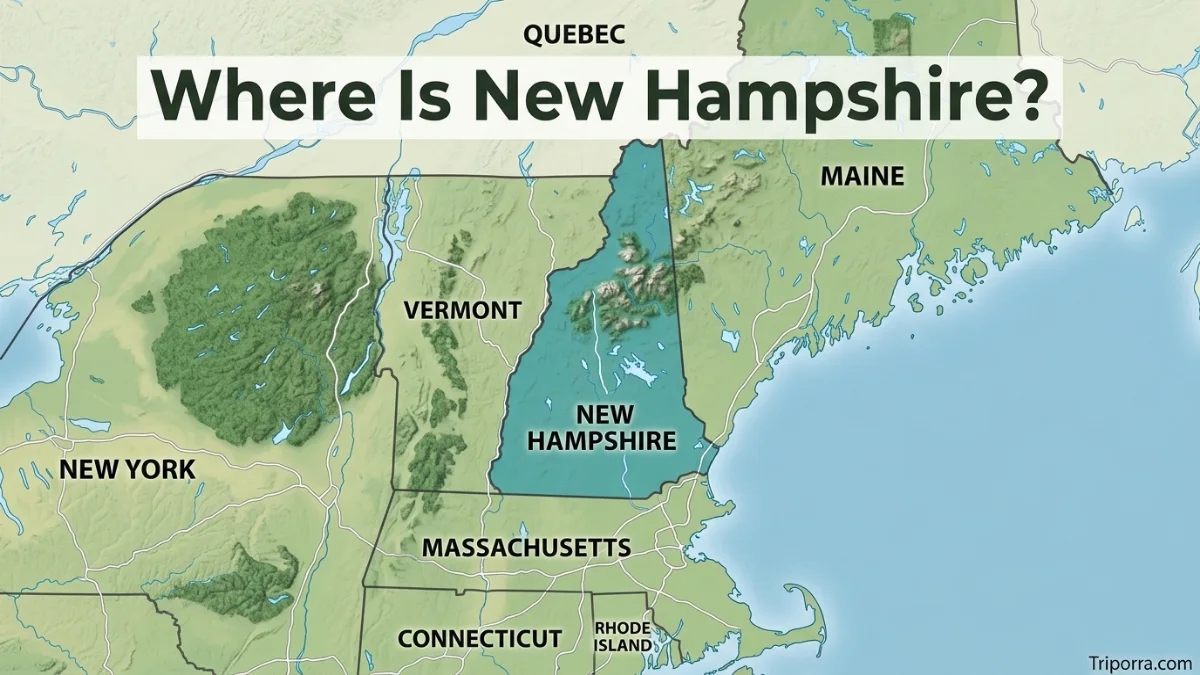
New Hampshire is a state in the northeastern United States, located in the New England region. The keyword “where is New Hampshire” refers to the location of the U.S. state, not a city or another geographic feature. It sits between Maine and Vermont, with Massachusetts to the south and the Canadian province of Quebec to the north. The state is known for its White Mountains, forests, lakes, Atlantic coastline, and historic role in early U.S. politics.
It is one of the six New England states and is part of the northeastern United States. Its capital is Concord, while Manchester is the largest city by population. Many people search for its location because they want to understand where it is on the map, what states border it, and what makes it different from nearby places.
Quick Facts About New Hampshire
| Fact | Information |
|---|---|
| Official Name | State of New Hampshire |
| Country | United States of America |
| Region | New England, Northeastern United States |
| State Capital | Concord |
| Largest City | Manchester |
| Statehood | June 21, 1788 |
| Area | Approximately 9,349 sq mi (24,214 sq km) |
| Population | Approximately 1.4 million (2025 estimate) |
| Coordinates | Approximately 43.2° N, 71.6° W |
| Borders | Maine, Vermont, Massachusetts, and Quebec, Canada |
| Highest Point | Mount Washington — 6,288 ft (1,917 m) |
| Nickname | The Granite State |
| Time Zone | Eastern Time Zone (ET) |
| Main Language | English is the most commonly spoken language |
| Known For | White Mountains, Lake Winnipesaukee, fall foliage, and the presidential primary |
Where Is New Hampshire Located on the Map?
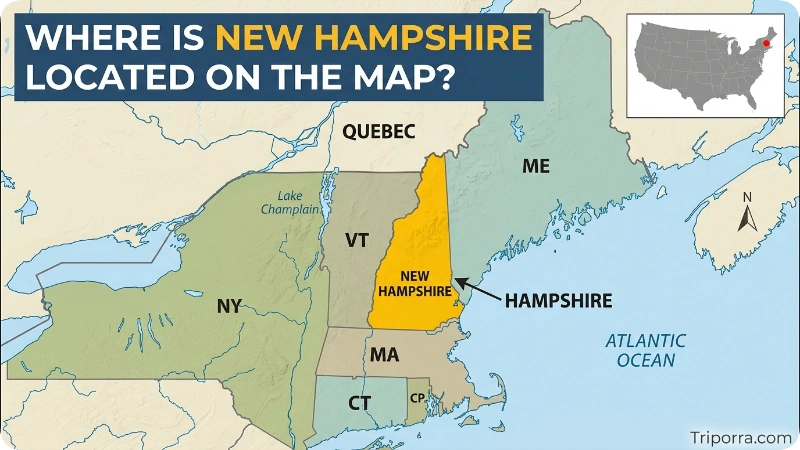
It is located in the northeastern part of the United States, within the New England region. It is one of the six New England states, along with Maine, Vermont, Massachusetts, Rhode Island, and Connecticut.
On a U.S. map, New Hampshire appears in the upper-right corner of the country. It is positioned directly below the Canadian border and east of Vermont. The state has a small Atlantic Ocean coastline in the southeast, making it one of the coastal states in New England.
New Hampshire’s approximate geographic position is:
- Latitude: 43.2° north
- Longitude: 71.6° west
The state covers about 9,349 square miles (24,214 sq km), making it the fifth-smallest U.S. state by land area.
Its location gives it a mix of landscapes. The northern part is more mountainous, while the southern part has larger cities, farmland, and suburban communities.
What State Is New Hampshire In?
It is not inside another state. It is itself one of the 50 states of the United States.
The state is part of the New England region, which includes:
- New Hampshire
- Maine
- Vermont
- Massachusetts
- Rhode Island
- Connecticut
It became the ninth state to join the United States when it ratified the U.S. Constitution on June 21, 1788.
The state is governed as a U.S. state with its own:
- Governor
- State legislature
- Supreme Court
- Laws and government agencies
The state capital, Concord, is where the main government offices are located.
What States and Countries Border New Hampshire?
New Hampshire shares borders with three U.S. states and one Canadian province.
Neighboring areas include:
Maine (east) Maine is directly east of New Hampshire and provides access to the Atlantic Ocean. Many visitors travel between the two states to explore coastal towns and northern forests.
Vermont (west) The Connecticut River forms much of the border between New Hampshire and Vermont. The two states share access to the Upper Connecticut River Valley and mountain regions.
Massachusetts (south) Massachusetts borders New Hampshire along the southern edge. This connection makes New Hampshire part of the greater Boston metropolitan area for many commuters.
Quebec, Canada (north) New Hampshire shares an international border with Quebec, Canada. The northern part of the state connects with Canada through rural border crossings.
⭐ Did You Know? New Hampshire is one of only four U.S. states with an international border connection through land. Its northern border connects directly with Canada.
Where Is New Hampshire Compared With Major Cities?
It is close to several major cities in the northeastern United States. Travel distances vary depending on the starting point and route used.
City
Approximate Distance From Southern New Hampshire
Travel Information
Boston, Massachusetts
About 50 miles (80 km)
Driving distance; often around 1–1.5 hours depending on traffic
Portland, Maine
About 55 miles (89 km)
Driving distance
Burlington, Vermont
About 150 miles (241 km)
Driving distance
New York City, New York
About 250 miles (402 km)
Driving distance varies by route
Montreal, Canada
About 220 miles (354 km)
Driving distance varies by border crossing
New Hampshire’s southern location places it within easy reach of Boston. Many residents commute to Massachusetts, especially from communities near the southern border.
The northern part of the state feels much more remote because of the White Mountains and large forest areas.
What Is New Hampshire Known For?
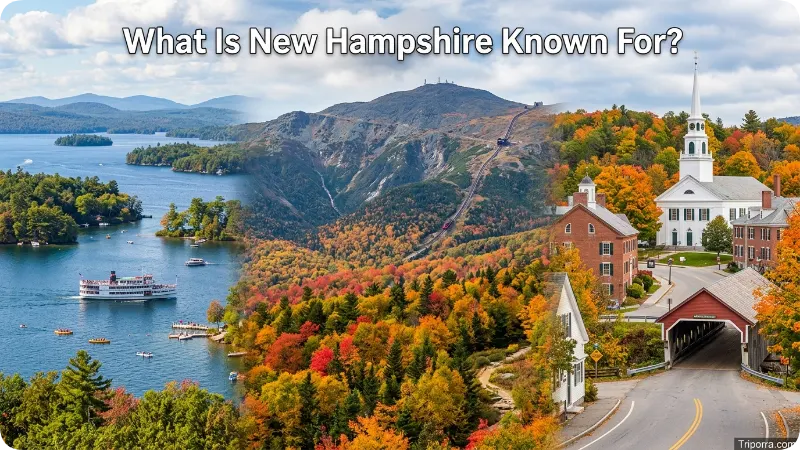
It is known for its natural landscapes, outdoor activities, political traditions, and cultural identity.
Some of the state’s most recognized features include:
The White Mountains
The White Mountains cover much of northern it and are part of the Appalachian Mountain range. They attract visitors for:
- Hiking
- Skiing
- Camping
- Scenic drives
- Wildlife viewing
The highest mountain in the northeastern United States, Mount Washington, is located in it.
The Granite State
New Hampshire is called “The Granite State” because granite quarrying played an important role in its history and economy. Granite from the state has been used in buildings and monuments across the country.
First Presidential Primary
it is famous for holding one of the earliest presidential primary elections in the United States. The New Hampshire presidential primary has influenced national political campaigns for decades.
Lakes and Forests
The state contains thousands of lakes and large forest areas. Lake Winnipesaukee is its largest lake and a popular destination for boating, fishing, and summer vacations.
What Region Is New Hampshire Part Of?
It belongs to the New England region of the northeastern United States.
New England has a shared cultural and historical identity formed by early European settlement, colonial history, and strong regional traditions.
The six New England states are:
- New Hampshire
- Maine
- Vermont
- Massachusetts
- Rhode Island
- Connecticut
Within New England, New Hampshire is known for its mountains, rural communities, and outdoor recreation.
The state is also part of the broader Northeast region of the United States, which includes states such as New York, New Jersey, and Pennsylvania.
What Is the Geography and Landscape of New Hampshire?
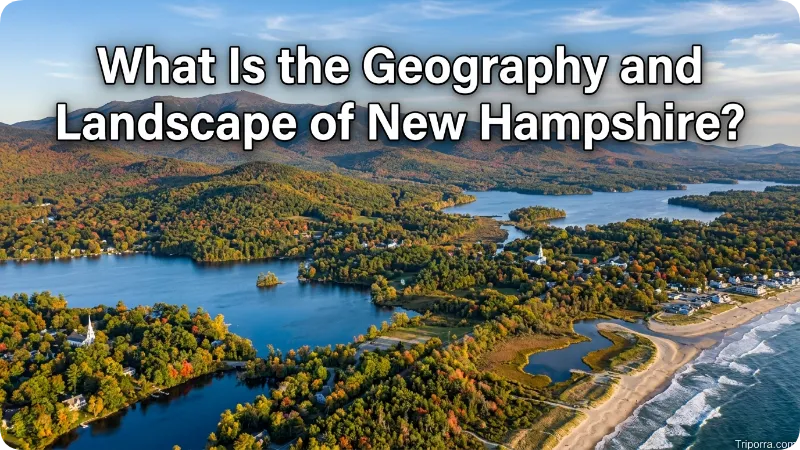
It has a varied landscape despite its relatively small size. The state includes mountains, forests, rivers, lakes, and a short Atlantic coastline.
The major geographic regions include:
White Mountains
The White Mountains dominate northern New Hampshire. This area contains some of the state’s highest elevations and most popular outdoor destinations.
Lakes Region
Central New Hampshire contains the Lakes Region, which includes Lake Winnipesaukee, Squam Lake, and other waterways.
Seacoast Region
The southeastern part of the state has a small coastline along the Atlantic Ocean. Portsmouth is one of the oldest cities in New Hampshire and is located in this region.
Merrimack Valley
The southern-central area includes the Merrimack Valley, where many of the state’s largest cities and communities are located.
The geography changes quickly across the state, from coastal areas to high mountain peaks.
What Is the History of New Hampshire?
It has a long history that began with Indigenous communities, continued through European settlement, and played an important role in the founding of the United States.
Before European arrival, the region was home to Indigenous peoples, including members of the Abenaki communities. They lived throughout northern New England and used the area’s forests, rivers, and coastal resources for food, transportation, and trade.
English settlement began in the early 1600s. The first permanent English settlement in New Hampshire was established at Hilton Point, now part of Dover, in 1623.
During the colonial period, New Hampshire was part of British America. The area developed through fishing, farming, timber production, and shipbuilding.
It was one of the original 13 colonies and became the ninth state to join the United States in 1788.
Important historical events connected to New Hampshire include:
- The signing of the New Hampshire Constitution in 1784
- Participation in the American Revolutionary War
- Growth of textile and manufacturing industries during the Industrial Revolution
- Development of modern tourism around mountains, lakes, and forests
Today, historic towns, museums, covered bridges, and preserved buildings reflect the state’s colonial and industrial past.
What Is the Climate Like in New Hampshire?
It has a humid continental climate, meaning it experiences four distinct seasons: cold winters, mild springs, warm summers, and colorful autumns.
Weather can vary significantly between southern cities and northern mountain areas.
Winter
Winters are generally cold, especially in northern and higher-elevation areas.
Typical winter conditions include:
- Snowfall throughout the state
- Skiing and winter sports in mountain regions
- Freezing temperatures during colder months
Mount Washington and surrounding mountain areas can experience much harsher conditions than lower elevations.
Summer
Summers are usually warm but not extremely hot compared with many parts of the United States.
Average summer temperatures often range around:
- 70°F to 85°F (21°C to 29°C) during daytime hours
The Lakes Region is especially popular during summer because of boating, swimming, and outdoor recreation.
Fall
Autumn is one of New Hampshire’s most famous seasons. The state attracts visitors who want to see changing leaves across forests and mountains.
Fall foliage usually reaches peak color between late September and mid-October, depending on elevation and weather patterns.
Spring
Spring brings warmer temperatures, melting snow, and blooming forests. It is also the season when many outdoor areas reopen after winter conditions.
What Is the Population of New Hampshire?
It has an estimated population of approximately 1.4 million people as of 2025.
The state is less populated than many U.S. states, but its southern communities are connected economically with the larger Boston metropolitan area.
The largest population centers include:
City
Approximate Population
Manchester
Around 115,000 people
Nashua
Around 90,000 people
Concord
Around 45,000 people
Dover
Around 33,000 people
Portsmouth
Around 22,000 people
Population density is highest in the southern part of the state, while northern New Hampshire has large forested areas with fewer residents.
English is the most commonly spoken language. Some communities also include speakers of French, Spanish, and other languages.
What Is the Capital of New Hampshire?
The capital of it is Concord.
Concord is located in the central part of the state along the Merrimack River. It became the state capital in 1808 and serves as the center of state government.
Important places in Concord include:
- New Hampshire State House
- New Hampshire Historical Society
- Downtown historic district
- Merrimack River recreation areas
Although Concord is the capital, Manchester is the largest city and one of the state’s main economic centers.
How Do You Get to New Hampshire?
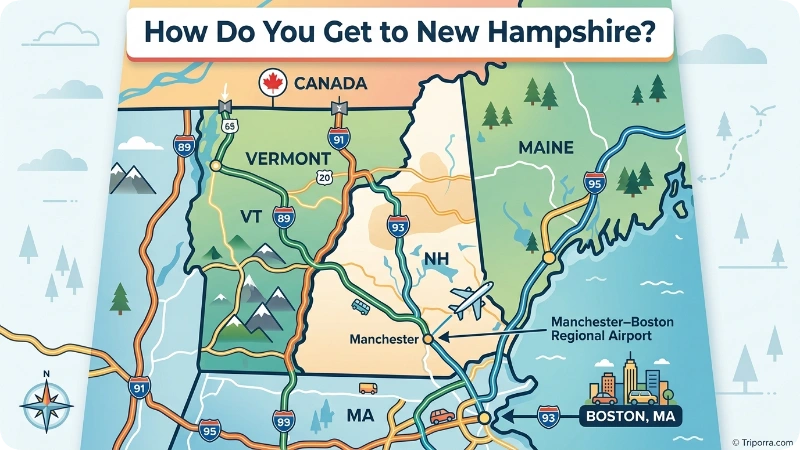
It can be reached by car, bus, train connections, and air travel. Its location in New England makes it accessible from nearby states and Canada.
By Car
Driving is the most common way to travel around New Hampshire.
Major highways include:
- Interstate 93 (I-93): Runs north-south through the state and connects Massachusetts with the White Mountains
- Interstate 89 (I-89): Connects New Hampshire with Vermont
- Interstate 95 (I-95): Passes through nearby Maine and connects the coastal region
By Air
The main airport serving New Hampshire is:
Manchester–Boston Regional Airport
It provides commercial flights and is located close to major southern New Hampshire communities.
Many visitors also use larger nearby airports, including:
- Boston Logan International Airport
- Portland International Jetport
Travel times depend on traffic, weather, airline schedules, and final destinations.
By Bus and Train
Bus services connect New Hampshire with nearby cities. Passenger rail options are limited inside the state but connections are available through Massachusetts and nearby transportation networks.
What Are the Best Places to Visit in New Hampshire?
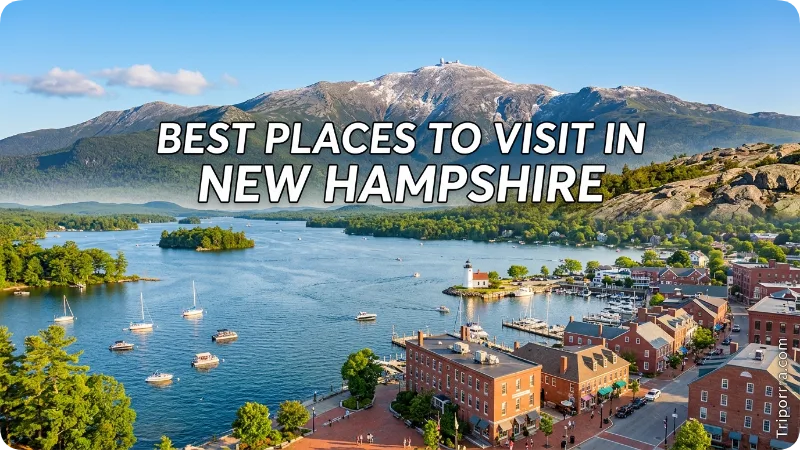
It offers attractions for outdoor activities, history, and family travel.
White Mountain National Forest
White Mountain National Forest covers a large area of northern New Hampshire and is one of the state’s most popular natural destinations.
Visitors come for:
- Hiking trails
- Scenic drives
- Camping
- Winter sports
- Wildlife viewing
Mount Washington
Mount Washington is the highest peak in the northeastern United States.
The mountain is famous for:
- Extreme weather conditions
- Hiking routes
- Scenic views
- The Mount Washington Cog Railway
Lake Winnipesaukee
Lake Winnipesaukee is the largest lake in the state.
Popular activities include:
- Boating
- Fishing
- Swimming
- Lakeside vacations
Portsmouth
Portsmouth is a historic coastal city known for its waterfront, colonial architecture, museums, and restaurants.
Franconia Notch State Park
Franconia Notch State Park is known for mountain scenery, hiking trails, and outdoor recreation.
When Is the Best Time to Visit New Hampshire?
The best time to visit it depends on the activities you want to enjoy.
Fall (September–October)
Fall is one of the most popular seasons because of colorful foliage.
Best for:
- Scenic drives
- Photography
- Hiking
- Mountain views
Summer (June–August)
Summer is ideal for:
- Lakes
- Swimming
- Camping
- Outdoor festivals
Temperatures are comfortable, especially near higher elevations and water areas.
Winter (December–March)
Winter attracts visitors interested in:
- Skiing
- Snowboarding
- Snow activities
Mountain areas receive significant snowfall during this period.
Spring (April–May)
Spring is quieter and suitable for:
- Hiking at lower elevations
- Exploring towns
- Enjoying fewer crowds
Is New Hampshire Safe to Visit?
It is generally considered one of the safer U.S. states.
The state has relatively low crime rates compared with many other states, although safety conditions vary between communities.
Visitors should still follow normal travel precautions:
- Check weather conditions before outdoor activities
- Prepare for changing mountain weather
- Follow hiking and wildlife safety guidelines
- Avoid driving during severe winter storms when possible
Outdoor safety is especially important in the White Mountains because weather can change quickly at higher elevations.
What Is It Like to Live in New Hampshire?
It is known for a high quality of life, access to nature, and small-town communities.
People choose to live there because of:
- Outdoor recreation opportunities
- Strong public services
- Access to nearby cities such as Boston
- Scenic rural areas
- No state sales tax
The state has a mix of lifestyles. Southern areas have more suburban communities, while northern areas are more rural and centered around forests, mountains, and tourism.
Housing costs vary widely. Areas closer to Boston generally have higher housing prices than many rural communities.
Common Misconceptions About New Hampshire
Some people confuse New Hampshire with other places or misunderstand its location.
Is New Hampshire Part of New York?
No. New Hampshire and New York are separate states.
New Hampshire is in New England, while New York is a neighboring state in the Mid-Atlantic/Northeastern United States.
Is New Hampshire a City?
No. It is a state.
It contains cities such as Manchester, Nashua, Concord, and Portsmouth.
Is New Hampshire Near Canada?
Yes. Northern New Hampshire shares an international border with Quebec, Canada.
Does New Hampshire Have Beaches?
Yes. Although it has a short coastline, New Hampshire has Atlantic Ocean beaches near towns such as Hampton and Rye.
FAQs
Is New Hampshire a state or a city?
It is a state in the United States, not a city. It is one of the six New England states in the northeastern U.S. The state contains several cities, including Manchester, Nashua, Concord, and Portsmouth. Concord is the capital city, while Manchester is the largest city by population.
Where exactly is New Hampshire located?
Hampshire is located in the northeastern United States in the New England region. It borders Maine to the east, Vermont to the west, Massachusetts to the south, and Quebec, Canada, to the north. It also has a small Atlantic Ocean coastline in the southeastern part of the state.
Is New Hampshire part of New England?
Yes, It is part of New England. The New England region includes six states: New Hampshire, Maine, Vermont, Massachusetts, Rhode Island, and Connecticut. New Hampshire is located in the northern section of this region and is known for mountains, forests, lakes, and historic towns.
What is New Hampshire famous for?
It is famous for the White Mountains, Mount Washington, Lake Winnipesaukee, fall foliage, and its early presidential primary. The state is also known as “The Granite State” because granite mining and quarrying played an important role in its history.
What is the capital city of New Hampshire?
The capital city of New Hampshire is Concord. It is located in the central part of the state along the Merrimack River. Concord became the official state capital in 1808 and is home to the New Hampshire State House and many government offices.
How far is New Hampshire from Boston?
Southern New Hampshire is approximately 50 miles (80 km) from Boston, Massachusetts, by driving distance. Travel time is often around 1 to 1.5 hours, but it can change depending on traffic, weather, and the exact destination within New Hampshire.
Does New Hampshire have a coastline?
Yes, it has a coastline along the Atlantic Ocean, although it is one of the shortest coastlines of any U.S. coastal state. The Seacoast Region includes communities such as Portsmouth, Hampton, and Rye, which are known for beaches and historic areas.
What is the best time to visit New Hampshire?
The best time to visit it depends on your interests. Fall is popular for colorful foliage, summer is ideal for lakes and outdoor activities, and winter attracts visitors for skiing and snow sports. Spring is a quieter season for hiking and exploring towns.
Is New Hampshire close to Canada?
Yes, New Hampshire shares a northern border with Quebec, Canada. The border area includes rural landscapes, forests, and mountain regions. Visitors can cross between New Hampshire and Canada through official border crossings.
What is the largest city in New Hampshire?
Manchester is the largest city in New Hampshire by population. It is located in the southern part of the state and is an important center for business, education, healthcare, and transportation.
Conclusion
New Hampshire is a state in the northeastern United States, located in the New England region between Maine, Vermont, Massachusetts, and Quebec, Canada. The state is known for its White Mountains, Atlantic coastline, lakes, forests, and historic communities.
The answer to “where is New Hampshire” is simple: it is in the northeastern corner of the United States, directly south of Canada and close to major cities like Boston. Its capital is Concord, while Manchester is its largest city.
New Hampshire offers a mix of natural landscapes and cultural attractions. Visitors often come for mountain adventures, fall foliage, lakes, skiing, and historic coastal towns. The state’s location makes it easy to access from other parts of New England while still offering large areas of wilderness and outdoor recreation.
Whether you are looking at a map, planning a trip, or learning about U.S. geography, New Hampshire is an important state to understand because of its location, history, and distinctive New England character.

About Leo Sterling
Leo Sterling is a geography and travel writer at Triporra.com who believes understanding a place starts with knowing exactly where it is. He turns geographic details on countries, regions, islands, and cities into clear, engaging content for everyday readers.
For Leo, a good location article does more than mark a spot on a map. It shows what borders a place, which region it belongs to, and how it connects to the world around it—an approach reflected in guides like where is Anguilla, where solid research meets a simple, conversational style.
Whether readers are planning a trip, studying, or just curious, Leo’s goal is the same: deliver accurate, easy-to-understand information without unnecessary complexity.
Areas of Focus: Geography | Countries & Regions | Caribbean Islands | Travel Destinations | Location Research | “Where Is?” Content